In posing the question this way I am making two points. First, the BWC is a disarmament treaty before anything else. It has other functions, certainly, but its disarmament function is primordial. Second, it is not guaranteed a bright future. It could find itself trapped in an acceptance of immobility, an empty ritual exchange of predictable arguments but no forward movement. It risks becoming marginalised as the world moves on. Let us all resolve to make sure that does not happen.
I am conscious of a strong sense of obligation to the people who brought the BWC into being. Last year I took part in a witness seminar for an inter-university research project on the prehistory and early history of the BWC when we surviving ‘old hands’ shared our recollections of its context, the politics and personalities of the time, and this brought home to me how few of the pioneers are still living. We owe it to the pioneers to reinvigorate this disarmament treaty and steer it towards a brighter future. Some of us have been trying to do this for a long time. We used to pursue this goal under the name of clarification, then reinforcement, then strengthening. Whichever word we use, the goal is the same. It is to make the BWC work better, to build on its strengths and remedy its main weakness. I will identify its main weakness in a few minutes, but first let us examine its strengths.
The strengths of the BWC
The strengths of the BWC lie in its comprehensive scope and its essential logic. The deliberate infliction of disease, whatever the disease, is an affront to humanity which almost all governments have renounced, comprehensively, as even a distant military option. They are saying “We don’t have BW but we could be vulnerable to BW attack by other people so we want to be sure that no one else has BW either.” That is what I mean by the essential logic. I first heard it expressed in 1969 when the UK initiative which led to the BWC was gathering support. It struck me as good common sense then and it still does now. It required those who at the time still possessed BW stockpiles to renounce and destroy them and everyone else to make their renunciation permanent. What the BWC does is fix that renunciation of BW in a lasting treaty relationship of legal equality. In that treaty relationship common sense further requires the parties to reassure one another that they are honouring their obligations; and to find ways of demonstrating that fact. They owe that much to one another as treaty partners. Some would say they owe that to humanity as a whole.
In 1986 there was some worry lest there were some novel micro-organisms or toxins or bioregulators not covered by the legal scope of the Convention. But this worry was misplaced. Once the comprehensiveness of the BWC’s legal scope was reasserted, the concern shifted back – and it remains rightly a concern – to whether there might occur changes in the balance of incentives and disincentives for a State Party to break out of the BWC’s treaty constraints or for a non-party to attack. That is one reason why relevant developments in science and technology (S&T) require close and continuous scrutiny. These S&T reviews, like regular assessments of the Convention’s health more generally, are made easier by its comprehensive scope and the legal equality of obligations on all its treaty partners.
The main weakness
The main weakness of the BWC lies: where? Not so much, now, in its definitional imprecision or lack of universality or even its famous institutional deficit, because all of those are, albeit very slowly, on their way to being alleviated. No, it lies in the area of reassurance. That is the perennial gap at the heart of the BWC. It flows from the failure of the States Parties, building on the text as it stands, to derive a common understanding as to how to reassure one another and demonstrate that their shared commitment to biological disarmament governs what they are doing and what they allow to be done. Without it, doubts and suspicions persist and erode the credibility of the Convention as they stay unresolved.
Some attempts have been made to remedy this weakness. Individual States Parties have come up with concepts of an accountability framework, or peer review, or compliance assessment, or transparency measures, or a compliance framework, or fuller use of Article V. A few of these concepts have developed into joint initiatives. These initiatives are to be commended and they invite emulation. None of them makes an exclusive claim. And none of them on its own bridges the gap. But instead of calling them distractions their critics should come up with better initiatives of their own. At some stage there may be a collective decision on how to integrate these patchwork initiatives into the BWC treaty regime. But first they need to be encouraged and developed, and this can best be done in a conceptual discussion of compliance, what it is and how it can be demonstrated. Such a conceptual discussion of compliance needs to be open-ended, without preconditions. I do urge the States Parties at the Eighth Review Conference next year to revive this proposal and give its implementation high priority and a serious allocation of resources in shaping the constructive evolution of the BWC.
This is only one of several proposals which the Seventh Review Conference failed to adopt but are just as relevant now and challenge the Eighth Review Conference to shape a better future for biological disarmament. In this category I would also put the many good ideas for reshaping the CBMs into a set of measures that really do build confidence, a modest expansion of the Implementation Support Unit to match a realistic mandate, an Open-Ended Working Group to improve on the present arrangement for review of developments in S&T, and the restructuring of the whole intersessional process to make it robust and effective. If time allowed I could add more. We all have our wish-lists. But nothing is more important than the effort to find solutions to the problem of reassurance: to develop a common understanding and effective action to remedy this main weakness of the Convention.
The perspective of 1975-2015 and the next 40 years
I want to spend the remaining few minutes on the perspective of 1975-2015 and the next 40 years. I can assure you as one who was there to witness entry into force on 26 March 1975 that it had felt like a long time arriving. There had been many disagreements and obstacles to overcome in the seven years since the BWC had first been conceived.
And talking of disagreements and obstacles, those of us who took part in the 25th anniversary event at the other end of the Palais could not have imagined how much grimmer the outlook would be when we returned for the 30th. What happened between 2000 and 2005 set back the constructive evolution of the BWC by several years. The same could be said of the period 1981-1986. But neither setback was fatal. And all credit to those who kept the faith and championed the Convention in those bleak years for the BWC, when it seemed to be under attack and needed all the champions it could find. The challenge now is to reinforce the Convention so it can survive whatever may assail it in the next 40 years and remain the preferred instrument of biological disarmament, reliably effective in performing that function.
At the entry into force ceremony in London which I attended David Ennals presided. He was the UK Minister of State responsible for arms control and disarmament. The tone of his speech, and of those made by Nikolai Lunkov and Ronald Spiers on behalf of the co-depositaries sitting beside him, was forward-looking and optimistic. It was an uplifting occasion. I will quote just one sentence. David Ennals said: “From today over 40 states are parties to this Convention, and have both renounced this entire class of weapons and undertaken to prevent their future development by appropriate measures. [emphasis added]”
That’s the point. What are the “appropriate measures” to prevent BW over the next 40 years?
There has long been a fruitless argument over whether states or non-state actors present the greater risk. My answer is: no one knows. Surely everything we do to reinforce the BWC must be designed to guard against any BW threat, from whatever source it may come. That is the other side of the comprehensive scope and essential logic that I see as the strengths of the BWC.
Only constant vigilance will suffice. And it follows from this that renunciation of BW is only the beginning. The Article IV obligation to prohibit and prevent implies continual reinforcement of the defences against BW. Renunciation and prohibition on their own are not enough. The “appropriate measures” applied in both national and international implementation of the BWC must always be measured against the more stringent criterion of prevention.
Let me give a few examples. If governments really value the BWC they will be readier to restrict risky gain-of-function (GOF) experiments on dangerous pathogens and to regulate all dual-use research of concern (DURC). GOF and DURC are not banned by the BWC, but the BWC can only retain credibility if there is a parallel regime of research with an emphasis on comprehensive risk analysis and the precautionary principle. National implementation and codes of conduct must cover all government programmes so there are no suspicions of rogue agencies or individuals taking an unhealthy interest in BW. Everyone must share their latest knowledge for the S&T reviews crucial to the application of the BWC remaining up to date. And there should be a renewed emphasis on international cooperation for the prevention of disease – the only “peaceful purposes” application of scientific discoveries in biology singled out for mention in Article X – as well as on capacity-building and planning for emergency responses to outbreaks of disease when they occur. Such precautionary approaches should increase the disincentives to BW, which is why they have attracted attention under Article VII, as well as being evidently worth pursuing in their own right.
These are just a few examples. To identify and then apply “appropriate measures” and build them into the practice of every State Party, responding to fresh perceptions of BW threat and S&T developments as they emerge, offers a full agenda for the next 40 years.
Finally, a few words about trajectories for the BWC as a distinct treaty regime.
Trajectories for the BWC
In my book THE FUTURE OF BIOLOGICAL DISARMAMENT (London: Routledge, 2009), I outlined possible trajectories good and bad. I would like to outline what is now my preferred trajectory for the BWC, assuming its States Parties can overcome the temptation to fall back on what I called an acceptance of immobility, an empty ritual exchange of predictable statements. My preferred trajectory has three elements: (1) that the BWC should pursue its own programme for the reinforcement of biological disarmament, by developing “appropriate measures” and applying them; (2) that it should steer towards a functional, not legal, convergence with the CWC, especially through close cooperation in the conduct of S&T reviews, to the benefit of both as distinct treaty regimes; (3) that it should finally fit into the wider universe of disarmament treaties so long awaited, when the gaping void in that universe is eventually filled by an NWC to complement the BWC and CWC. From where I stand nuclear weapons are the glaring anomaly in the disarmament enterprise, and nuclear disarmament must be pursued by all governments with reinvigorated commitment.
Whatever our preferred trajectory, there is much that we unofficial ‘friends of the Convention’ can do: to know the history and maintain a long-term perspective, to report and analyse the current diplomacy of the BWC meeting by meeting, to feed in ideas and propose acceptable language, to track the textual intricacies of the intersessional process (hard work, I assure you), and always to encourage the States Parties to move the BWC forward. For above all we look to the States Parties to make the BWC work better. Those of you who represent them should count it a privilege to be in a position here in Geneva to engage your energies and diplomatic skills in this process. The next 40 years are bound to contain setbacks and in confronting them you should bear in mind that when the BWC was at its most unpopular in 1981-1986 and 2001-2005 it was only the determined efforts of diplomats and others that brought it through those bleak years. Those same determined efforts will be needed to overcome whatever crises the next 40 years may bring. Otherwise the answer to my question “What future for biological disarmament?” will not be a comfortable one.
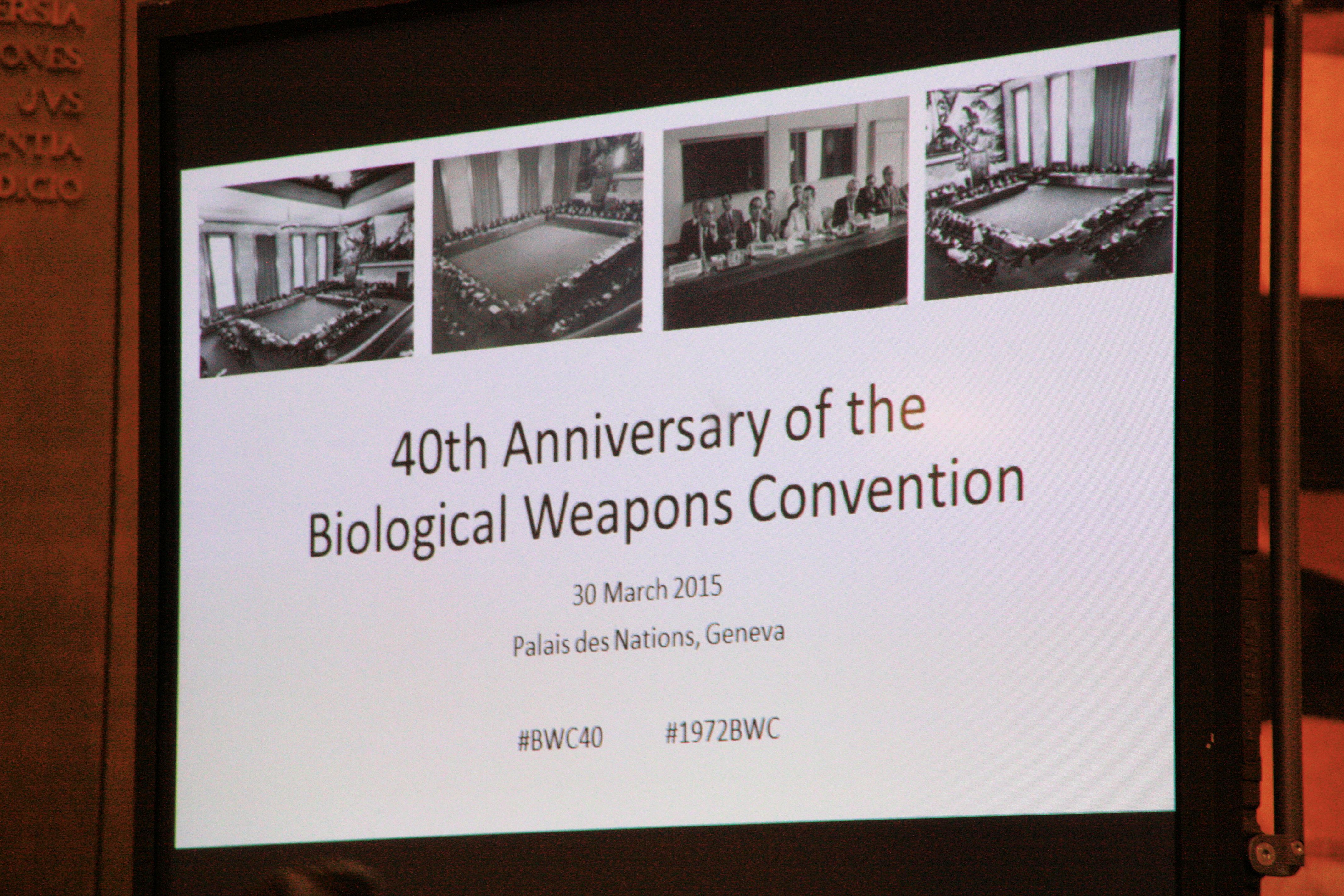
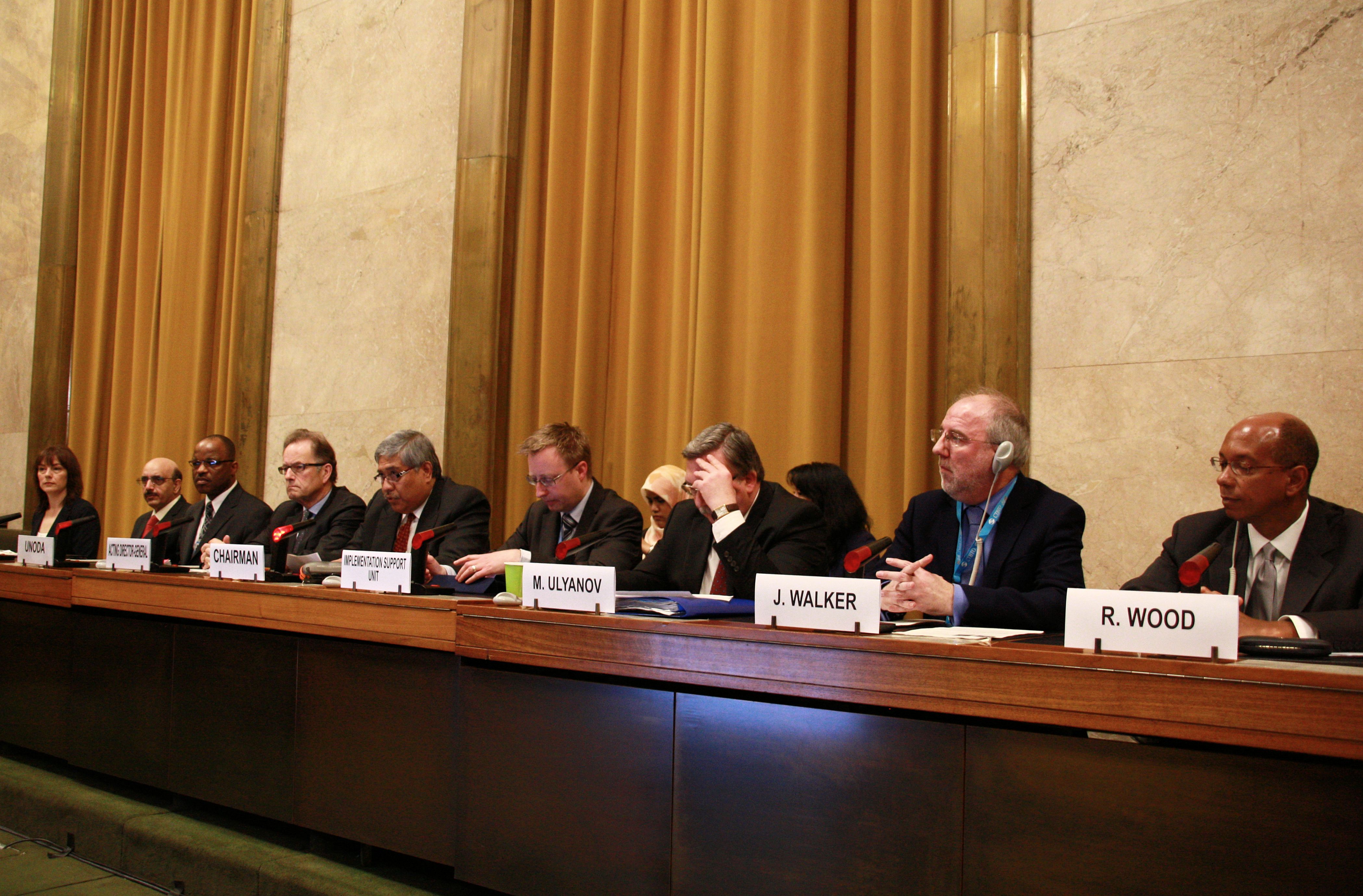
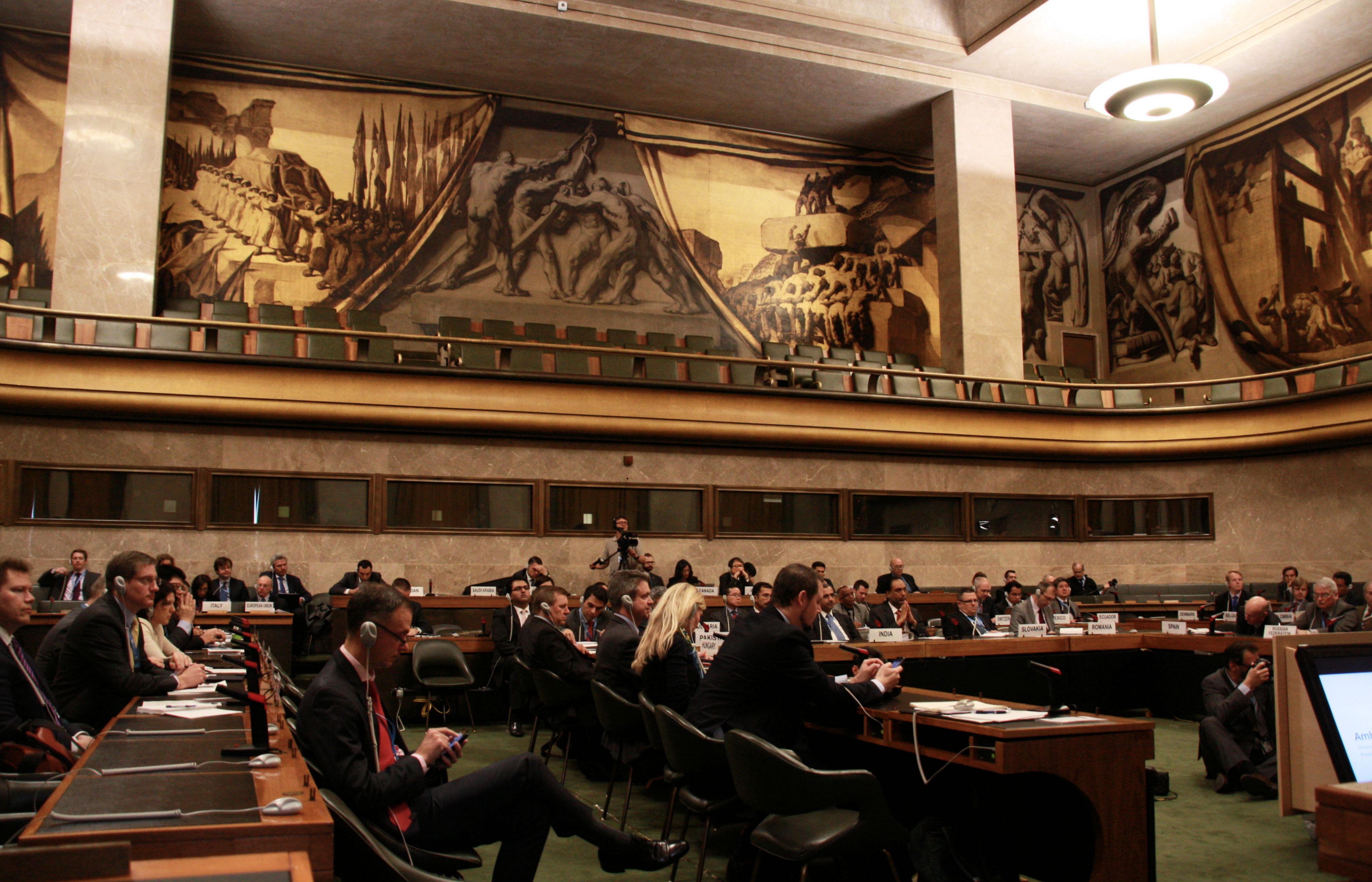
On 30 March 2015 the 40th anniversary of the entry into force of the Biological and Toxin Weapons Convention (BTWC) was celebrated in the Council Chamber at the United Nations in Geneva, the same room inwhich the treaty had been negotiated.
On 30 March 2015 the 40th anniversary of the entry into force of the Biological and Toxin Weapons Convention (BTWC) was celebrated in the Council Chamber at the United Nations in Geneva, the same room in which the treaty had been negotiated.
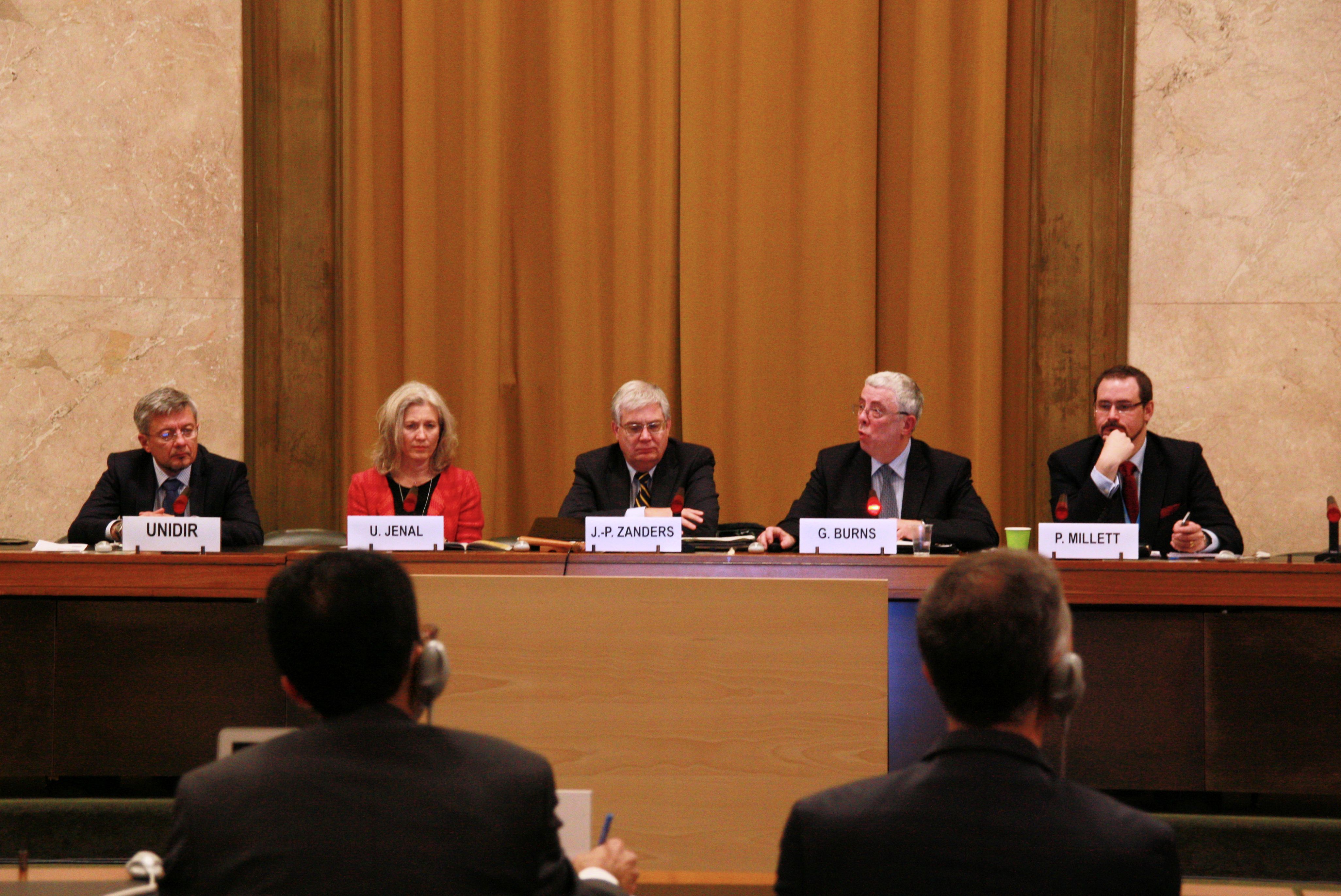
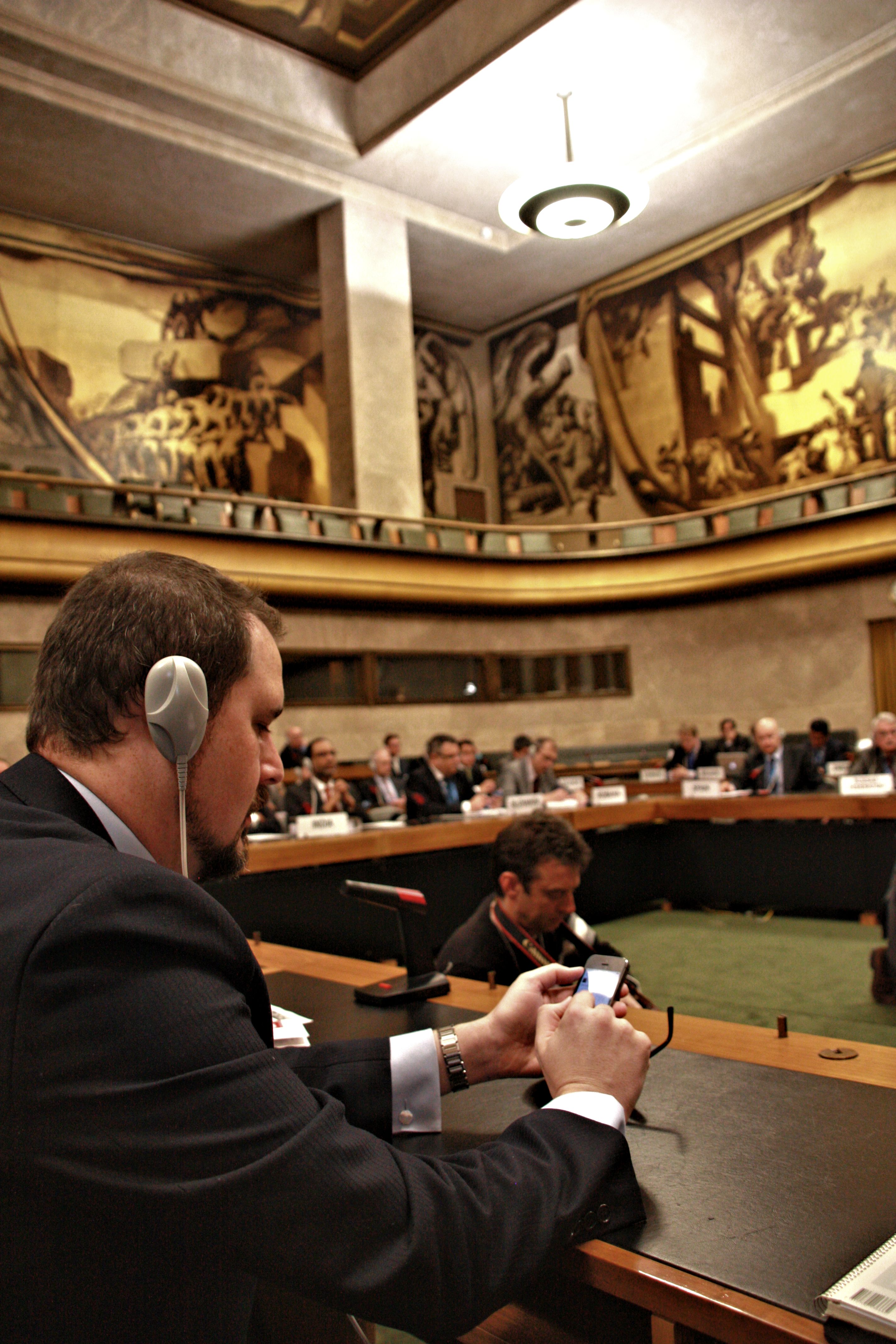
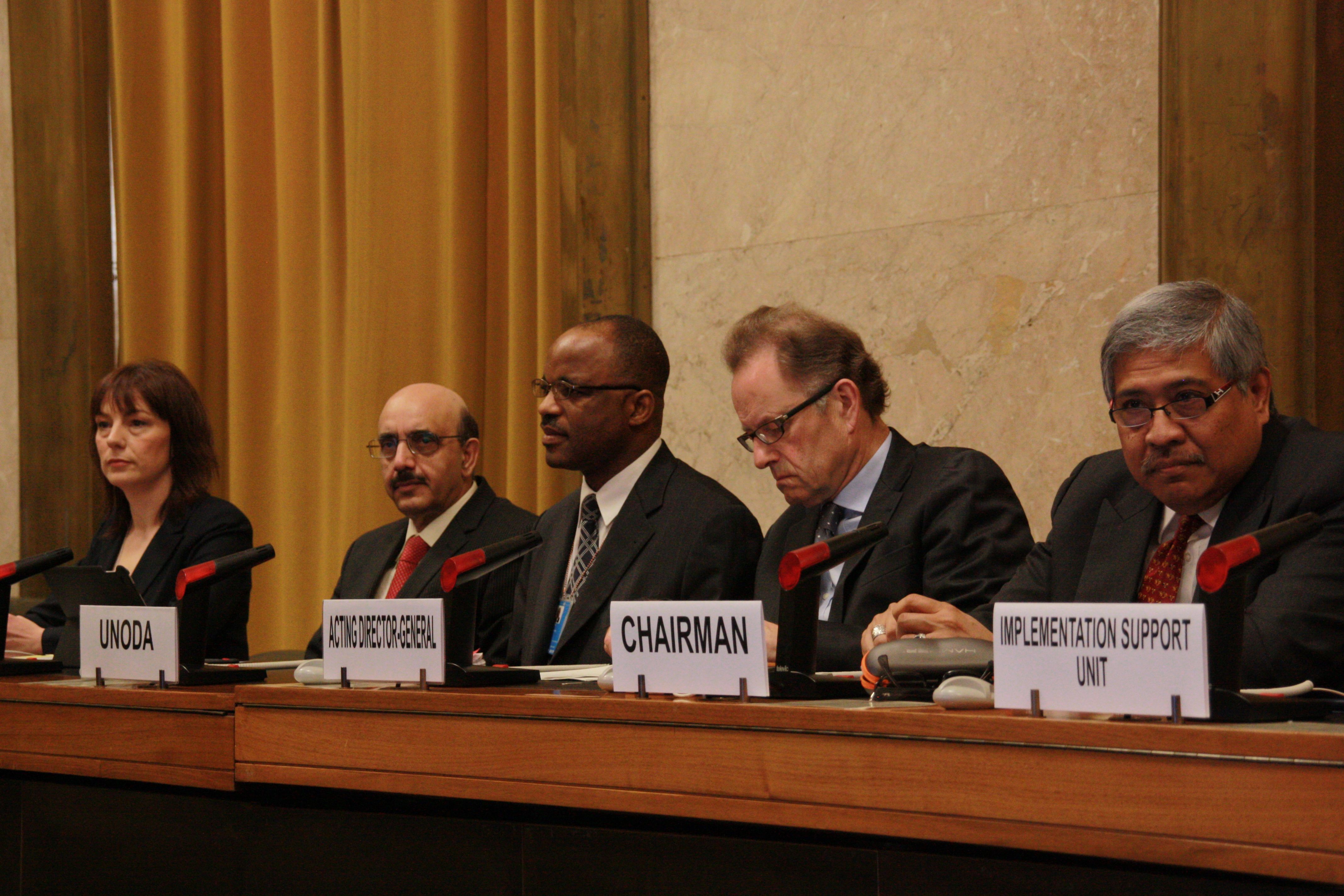
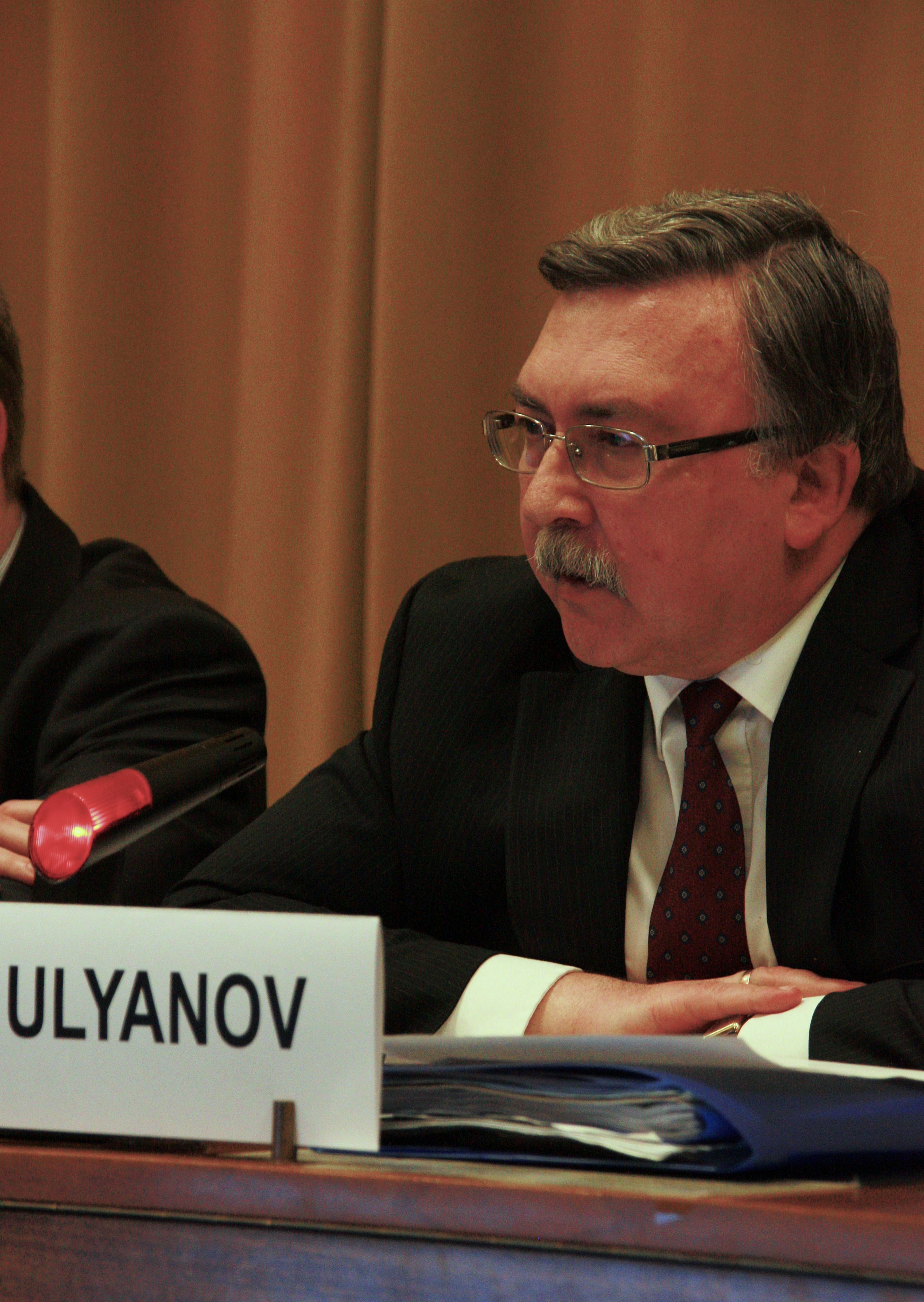
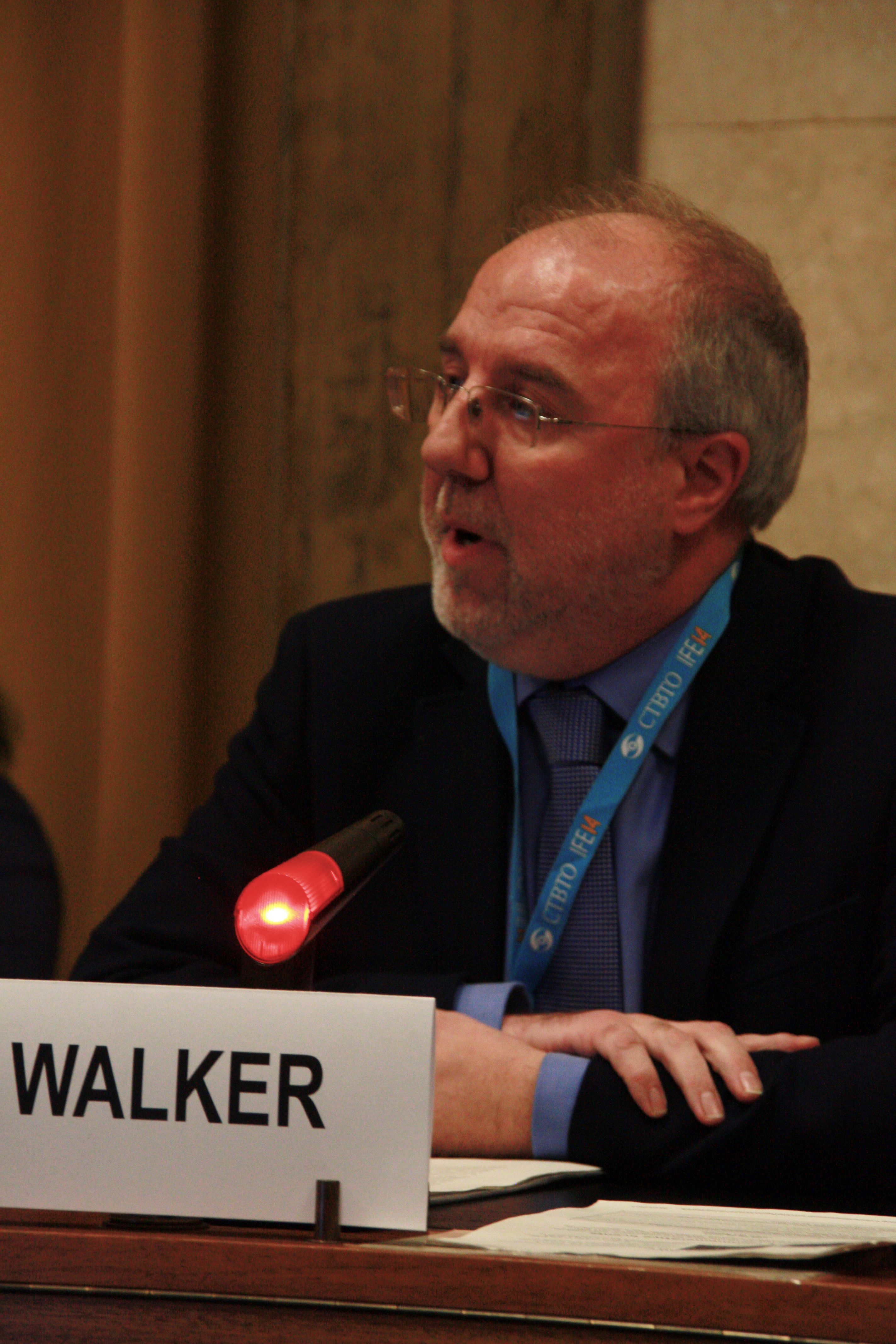
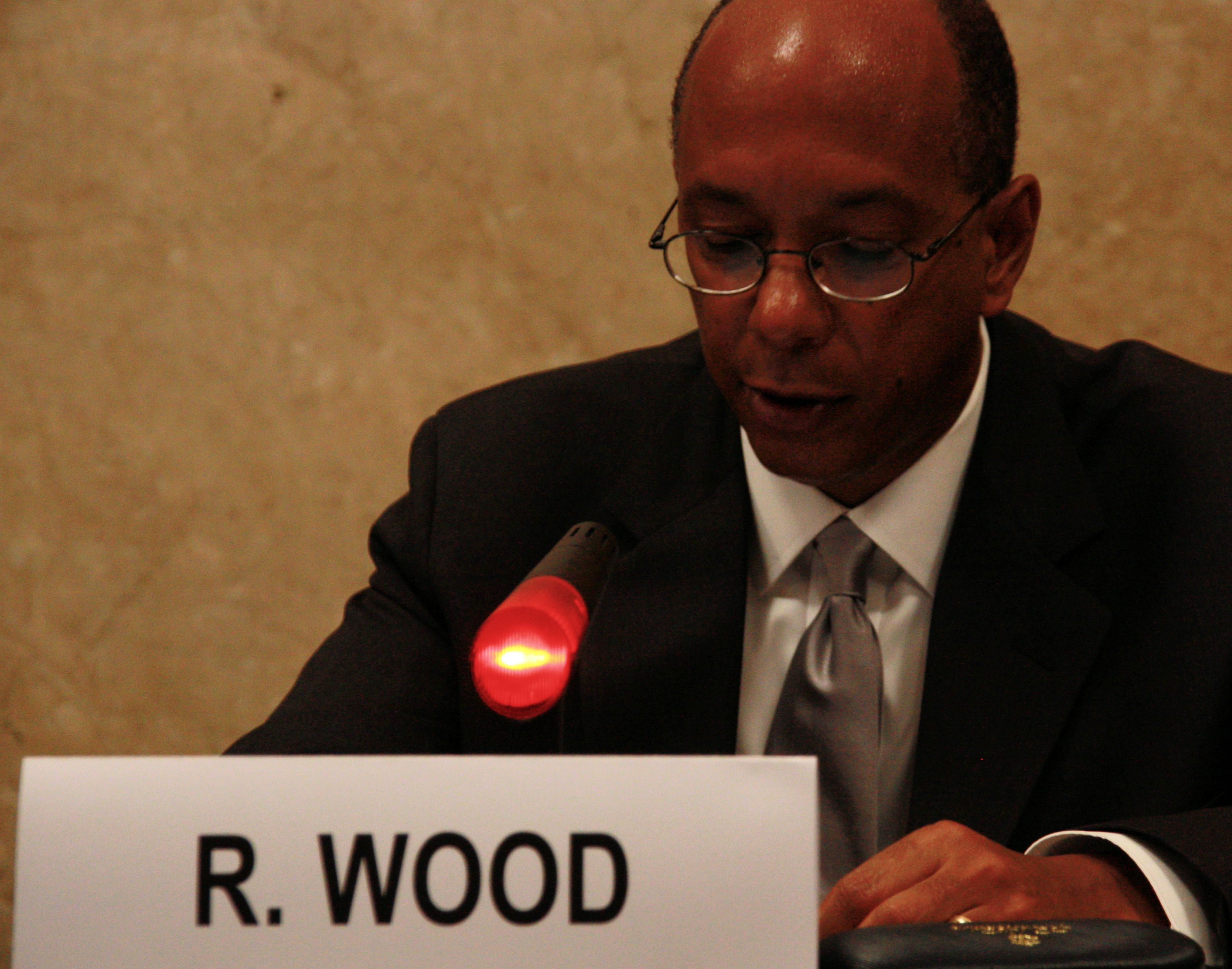
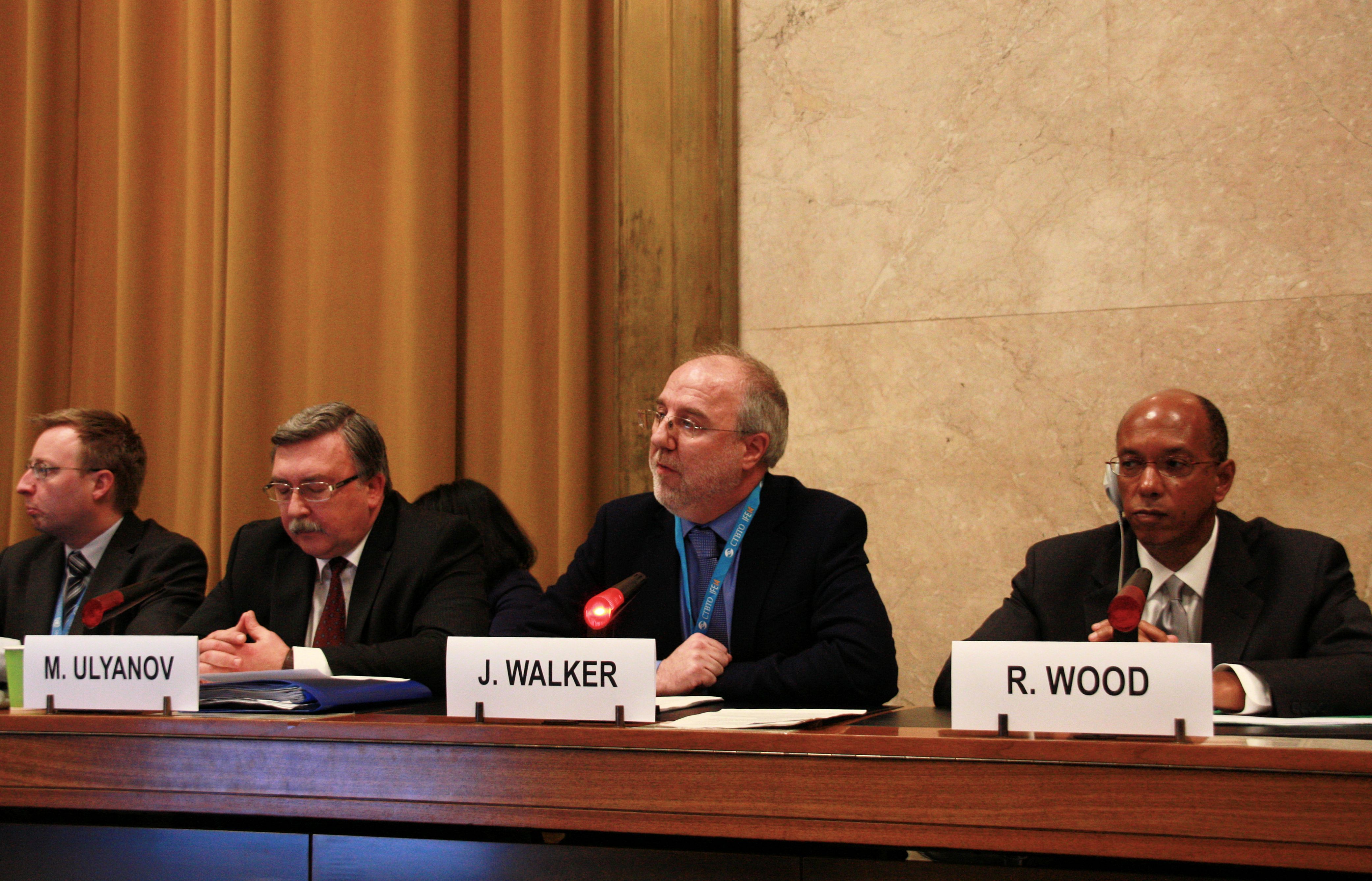
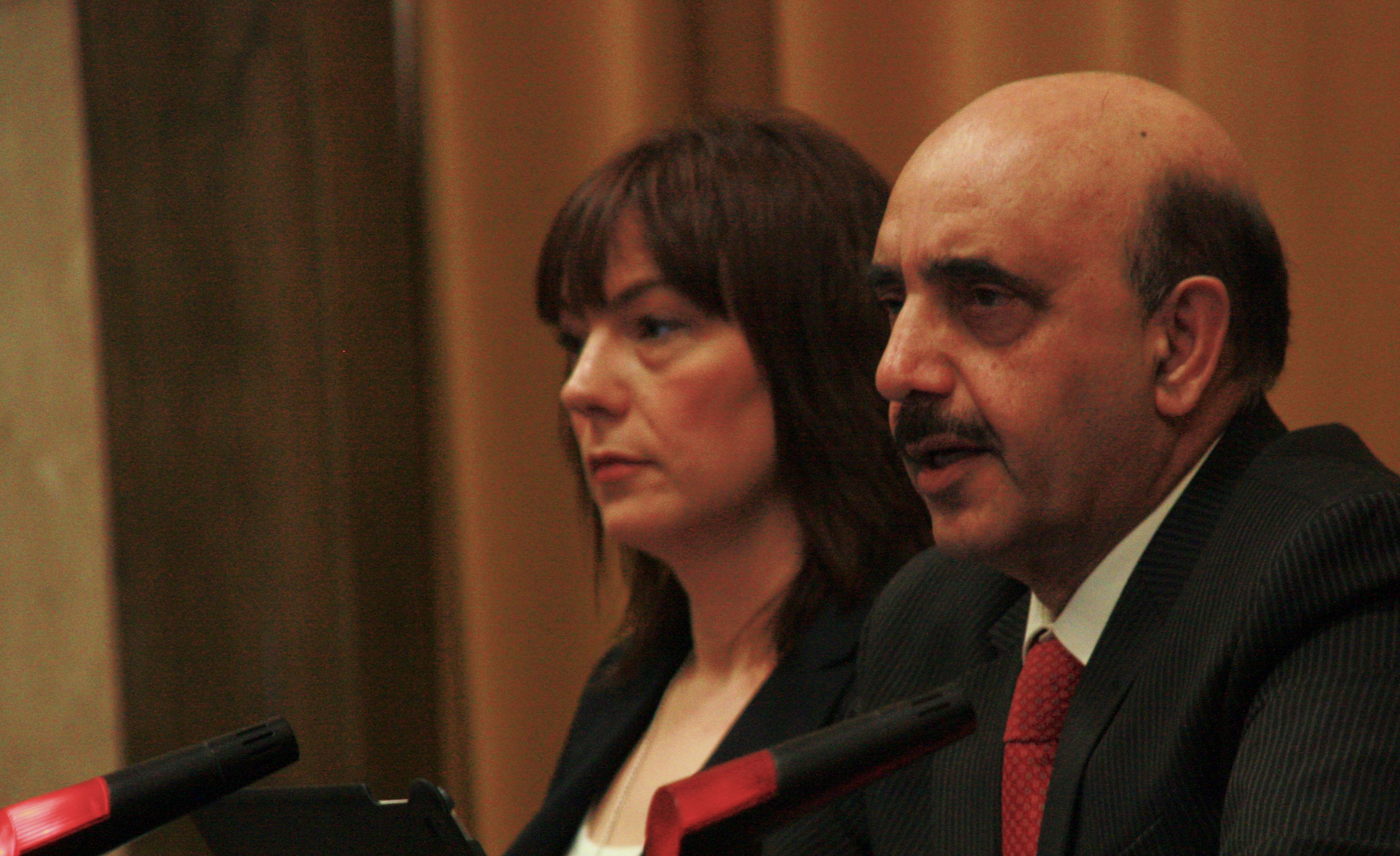
In the morning the formal commemoration took place. About 100 people attended the celebration. Below are some impressions of that session (Please click for full-size images).
The full programme and texts of remarks are available from the website of the BTWC Implementation Support Unit.
(All pictures by myself.)
The general setting of the 40th anniversary event
Opening speeches
Addresses by the three Depository States: Russia, UK and USA
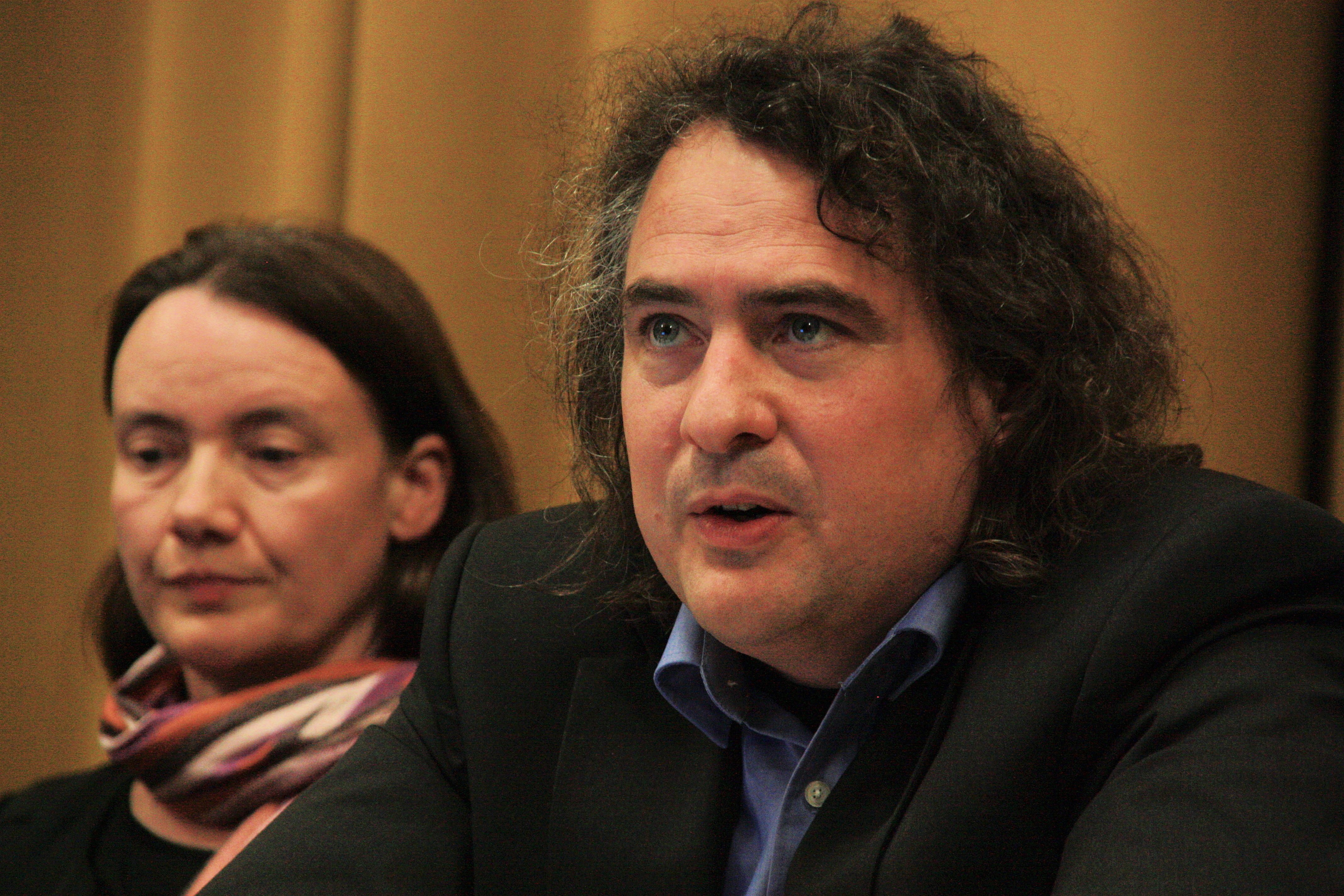
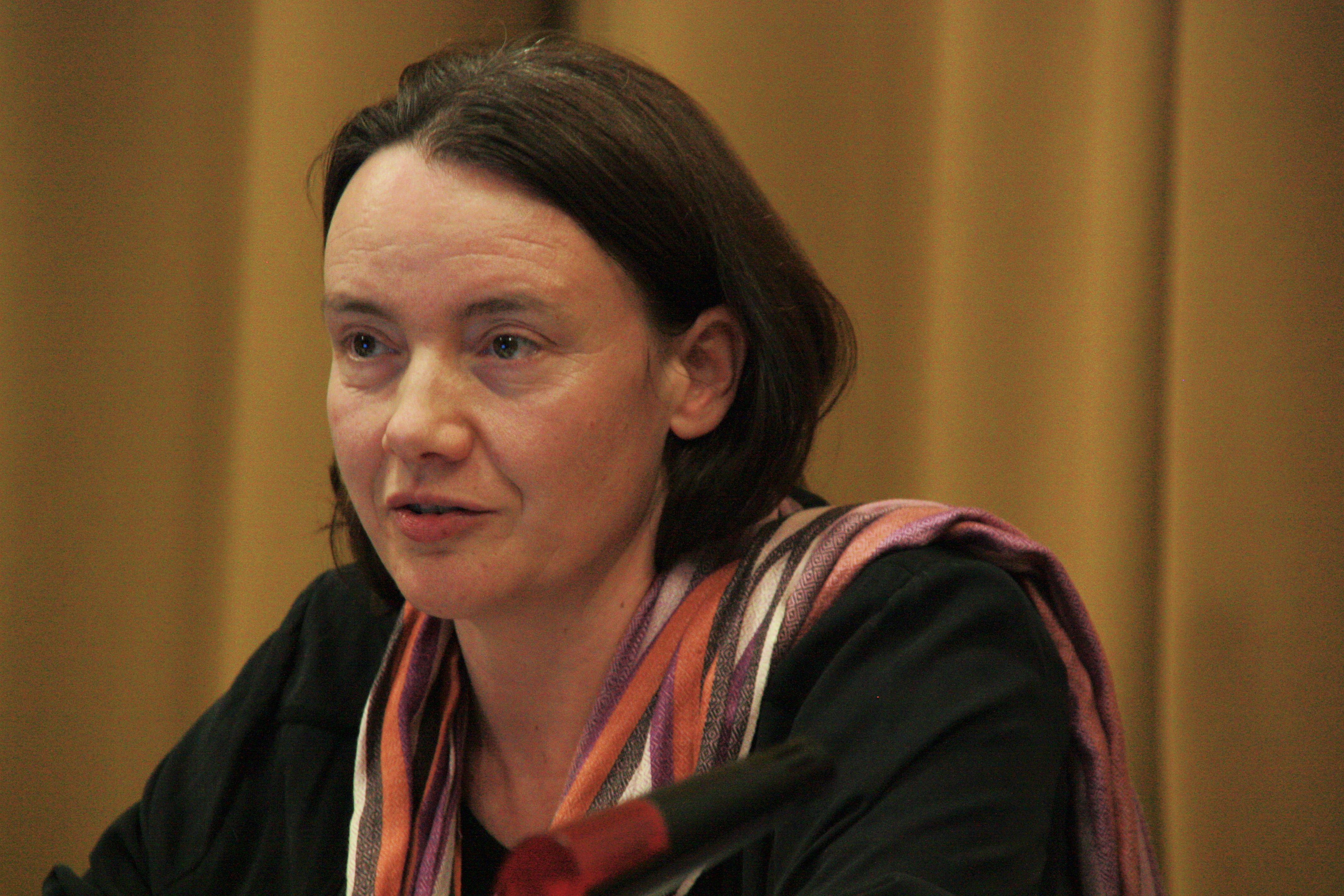
Guests of honour: Amb. Masood Khan and Dr Caitriona McLeish
On 24 March 2005 the BioWeapons Prevention Project (BWPP) and the Geneva Forum co-organised a seminar in the Palais des Nations in Geneva to celebrate the 30th anniversary of the Biological and Toxin Weapons Convention.
It was a tense time: the 5th review conference in 2001 had basically failed and following a one-year suspension, the states parties were able to agree on a work programme that eventually became known as the ‘intersessional process’ — a series of meetings of experts followed by meetings of states parties. In 2005 people began looking towards the 6th review conference that was to take place the next year. Expectations were not very high: saving a troubled treaty was back then the primary goal, The BTWC Implementation Support Unit did not yet exist; the small unit was to be one of the positive outcomes of that review conference.
For the meeting the BWPP and the Geneva Forum invited three speakers to highlight the (then) past, present and future of the BTWC: Erhard Geißler (Max Delbrück Center for Molecular Medicine), Nicholas A. Sims (London School of Economics and Political Science) and John Borrie (United Nations Institute for Disarmament Research).
It is a good moment to reflect on what the issues were back then. The BWPP published an Occasion Paper with the three presentations: 30 Years of the BTWC: Looking Back, Looking Forward (June 2005), which is here now again available for download.
Four decades have passed since the entry into force of the Biological and Toxin Weapons Convention (BTWC). The 173 states parties happily blew out the 40 candles on 26 March. Rejoice we all did, and tomorrow, 30 March, a special commemorative event will take place at the United Nations in Geneva. In the very same room where the Conference of the Committee on Disarmament (the forbear of the current Conference on Disarmament) negotiated the document. (For a brief overview of the birth of the BTWC, check out the dedicated web page prepared by the BTWC Implementation Support Unit.)
Yet, there is something weird about this anniversary.
First, in the United States a researcher published a commentary on the website of the Bulletin of the Atomic Scientists expressing his deep concern about the impact of a nuclear winter on the future of humanity following the use of this class of weapons. He argued that most of the the nuclear devices currently in the military arsenals should be replaced with other weapon categories that possess an equivalent deterrence value. In passing he mentioned non-contagious biologicial agents. The biological weapons (BW) community reacted strongly, and several academics have responded that BW are and should remain beyond the pale. Rightly so.
One can say many things about the BTWC, but one cannot deny that today not a single state — whether a party to the convention or not — will admit to possessing BW or maintaining an offensive BW programme. The treaty may have its intrinsic flaws, but the norm it embodies is strong. So, yes, it was strange to read on the eve of the 40th anniversary of a global disarmament treaty that an academic could still discern a future role for this class of weaponry.
Second, friends of the treaty sent out congratulatory messages via Twitter, blog postings or newspaper Op-Eds. The British daily The Guardian managed to publish two contributions on a single day. James Revill and Caitríona McLeish of the Harvard-Sussex Program, University of Sussex let the bells ring out (Happy birthday to the bioweapons convention), before warning on the possibility of creeping legitimisation of BW for deterrence purposes, as proposed by the US scholar mentioned earlier.
The other piece was written by Alex Spelling and Brian Balmer of University College London and entitled ‘Remembering an Overlooked Treaty‘.
An overlooked treaty? Since 2 March 2015, 173 states are party to the BTWC. This makes it the third most universal agreement regulating the acquisition, possession and use of weaponry after the Nuclear Non-Proliferation Treaty (191 parties, including the State of Palestine) and the CWC (190 states parties).
Later in the piece, the authors ask: So, why has this disarmament treaty been neglected? This is a remarkable question, considering that the community of states parties has met twice or more annually in Geneva since the third review conference in 1991 and continuously engages in various regional or bilateral activities to strengthen regulatory frameworks or capacities to address challenges identified in the Geneva meetings.
The authors, of course, zoomed in on one formal characteristic of an arms control or disarmament treaty lacking in the BTWC: a verification machinery to systematically monitor compliance and detect treaty violations. However, neither they nor any of the commentators on the zany idea of BW deterrence offer an idea on how to remedy this deficiency — and I agree, it is a major one — in the near future.
2016 will be the year of the 8th review conference and the states parties will gather to plot the course of the BTWC for the ensuing five years and beyond. Now is really a time for bright ideas and thinking out of the box. Otherwise, on the 50th anniversary of the convention, people will still be lamenting an imperfect past or happily consider future roles for prohibited weapons.
Yes, happy anniversary to the BTWC. The future is challenging, but there is a future. People willing.
In my previous blog posting I noted the organisation of a special event to celebrate the 40th anniversary of the entry into force of the Biological and Toxin Weapons Convention (BTWC / BWC) on 30 March. The event takes place in the Council Chamber of the United Nations in Geneva and prior registration is required.
The programme consists of two parts:
In the morning a formal session will take place. It is open to the public. For more information, please check out the dedicated page by the BTWC Implementation Support Unit.
14:00–15:15 Making progress in strengthening the BWC
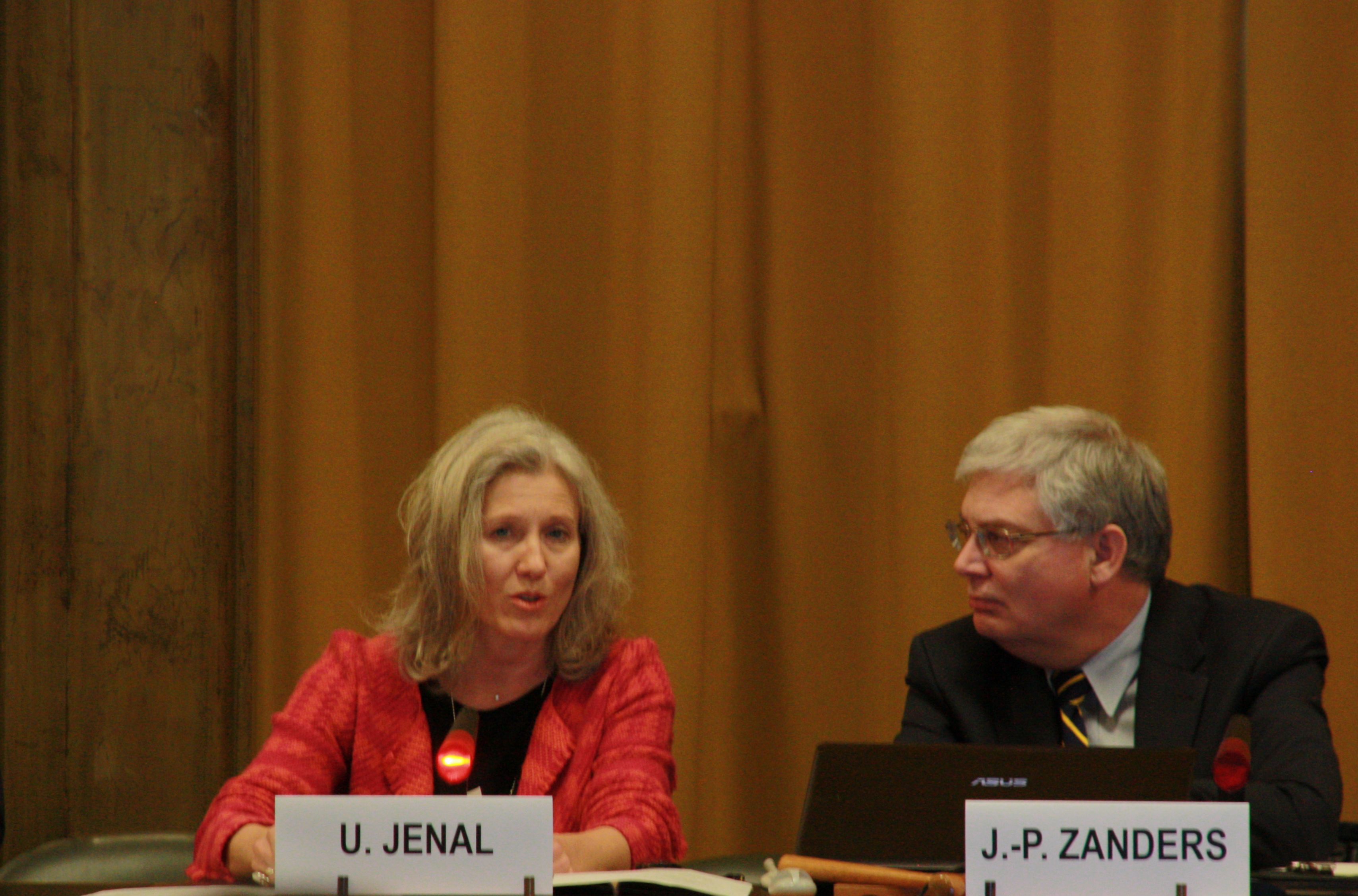
Chair: Dr Jean Pascal Zanders, Centre on Conflict, Development and Peacebuilding (CCDP)
Dr Ursula Jenal, Jenal & Partners Biosafety Consulting, Biorisk management: awareness, responsibility and codes of conduct
Dr Gary Burns, Independent Consultant, Development of an ISO Laboratory Biorisk Management Standard – can ISO/AWI 35001 help in supporting the BTWC?
Dr Piers Millett, BioSecure, Science, Technology & the BWC: staying relevant for the next 40 years
15:15–15:45 Coffee break
15:45–17:00 Future challenges for strengthening the BTWC
Chair: Ms Kerstin Vignard, United Nations Institute for Disarmament Research
Mr Nicholas Sims, Emeritus Reader in International Relations, London School of Economics and Political Science, What Future for Biological Disarmament?
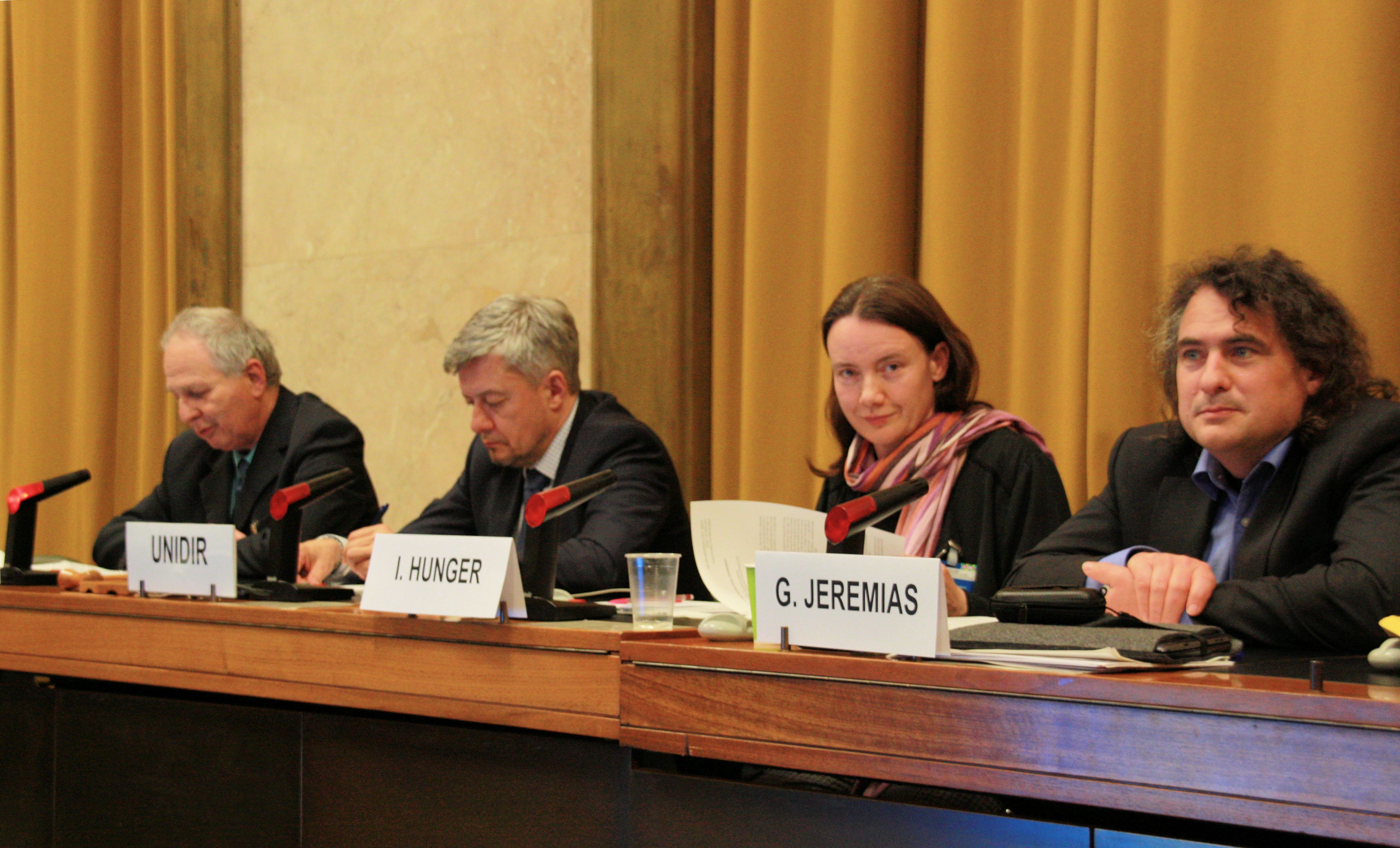
Dr Gunnar Jeremias, Research Group for Biological Arms Control, The future of confidence building in biological arms control
Dr Iris Hunger, Robert Koch Institute, A new international order for extraordinary public health risks? Norms, actors, modes of interaction
Forty years ago, on 26 March 1975, the Biological and Toxin Weapons Convention (BWC)—the first multilateral treaty to effectively prohibit an entire class of weaponry worldwide—entered into force.
This academic seminar is convened by the CCDP, GCSP and UNIDIR from 14:00 to 17:00 to reflect on the current challenges and future options for the BWC. It is organised with the support of the United Kingdom of Great Britain and Northern Ireland.
This event will take place in the Council Chamber of the Palais des Nations, Geneva. This venue has historical significance as it is the room in which the BWC was negotiated by the Committee of the Conference on Disarmament before being finalized in 1971. Prior to the seminar, there will be a formal commemorative event organised by the BWC Implementation Support Unit (ISU) with the assistance of the Chairman of the 2015 BWC meetings and the Depositary Governments of the BWC, the Russian Federation, the United Kingdom, and the United States of America. An invitation from the Chairman of the 2015 BWC Meetings and more details can be found here.
A light lunch will be available to participants and a reception follows the afternoon session.
If you would like to attend the seminar, please register hereby 25 March 2015. Attendees without passes to access the Palais des Nations will need to complete the attached registration form [download here] in order to be cleared through UN security. You will have to present it together with valid identification.
Updated information on the programme will be available from a dedicated page by the BWC Implementation Support Unit.
Yours sincerely,
Dr Keith Krause, Centre on Conflict, Development and Peacebuilding (CCDP)
Dr Gustav Lindstrom, Geneva Centre for Security Policy (GCSP)
Mr Jarmo Sareva, United Nations Institute for Disarmament Research
Point of contact: Mr Marc Finaud, GCSP (m.finaud@gcsp.ch)
Using the Momentum of Syria’s Chemical Weapons Dismantlement and Identifying Spill-Over Potentials
Discussion note prepared for: Academic Peace Orchestra – Middle East (APOME), Tackling the Middle East WMD/DVs Arsenals in the Context of Military Asymmetries Towards Zonal Disarmament, Berlin, 11–12 March 2015
Syria acceded to the Chemical Weapons Convention (CWC) on 14 September 2013 and formally became a state party on 14 October. This was the outcome of a framework agreement on the elimination of Syria’s chemical warfare capacities between Russia and the United States reached in Geneva on 14 September. This accord averted military strikes by France, the United Kingdom and the United States as reprisal for the use of chemical weapons (CW) in the Syrian civil war. In particular the attacks against the Damascus suburb of Ghouta on 21 August represented a major escalation in the conflict. The sarin nerve agent killed hundreds of people and injured many more. At the time of the attacks a UN team comprising experts from the Organisation for the Prohibition of Chemical Weapons (OPCW) and the World Health Organisation (WHO) were in Damascus in response to an earlier request by the Syrian government to investigate alleged CW use during the spring of 2013. After modification of its mandate, it investigated the Ghouta attacks and issued their preliminary report on 16 September, two days after the Geneva accord. The findings all but blamed the Syrian government. The team submitted its final report covering all chemical warfare allegations from the original mandate as well as some additional attacks after the Ghouta incident on 12 December.
After becoming a party to the CWC the verification activities have consisted of four types of activities:
Syrian declarations on CW holdings, CW-relevant infrastructure (production and storage sites), and on the history of its chemical warfare programme since 1 January 1946. Given the special circumstances that have led the country to accede to the convention, Syria was requested and has (or is in the process of ) providing information on the destruction of CW before becoming a CWC party. As illustrated by the cases of France and Iran, a state party is not normally required to declare this type of information. However, in order to ensure that Syria is not hiding secret stashes of CW, the requested data contribute to establishing a baseline for its past capacities.
The OPCW verifies those declarations, resolves anomalies and where required requests amendments to those declarations.
The OPCW conducted inspections at the declared production and storage sites. It oversaw the removal of chemical warfare and precursor agents from Syrian territory and the destruction of delivery means, relevant equipment and installations, and precursor chemicals. It also oversaw the hydrolysis of mustard agent and the neutralisation of a range of precursor chemicals aboard the US vessel Cape Ray in the Mediterranean and the destruction of the resulting effluents in incinerators in Finland, Germany, the United Kingdom and the United States. At present the OPCW is also overseeing the destruction of the former Syrian CW production facilities. To date, two out of twelve buildings have been destroyed and completion of this task is envisaged for this summer.
The OPCW carried out field investigations into the alleged use of chlorine during the spring and summer of 2014.
This background note discusses some unique features of the disarmament regime for Syria and their potential relevancy for the Middle East Zone free from non-conventional weapons.
Adaptation to specific circumstances
Nobody anticipated that the OPCW would ever have to evacuate CW from a state party under conditions of war. Such a situation never occurred before. Even the disarmament of Iraq during the 1990s took place after a cease-fire agreement, endorsed by the UN Security Council Resolution 687 (1991). Syria joined the CWC as a CW possessor state, which was also a first after the treaty-defined destruction deadlines had expired. As a consequence, the responsibility to determine Syria’s interim and final destruction deadlines fell to the Executive Council. Its decision of 27 September 2013 was an adaptation of the US-Russian framework agreement. That same night the UN Security Council endorsed the decision in Resolution 2118 (2013). However, given the virtual impossibility to destroy the CW inside a country at war and the extremely tight deadline to complete destruction operations, the EC adopted several exceptional measures in a second decision of 15 November, none of which are precedent-setting.
A first major departure from the standard CWC process concerns the initial declaration. Under Article III this document is due within 30 days after the convention enters into force for a state party and establishes a baseline for the country’s status as CW possessor, plans for the destruction of CW and related installations if so required, a description of any CW-related activities after 1 January 1945, the types of chemical facilities on its territory and the types and quantities of treaty-relevant chemicals they produce. Following that submission OPCW inspectors will verify the accuracy of the initial declaration, upon which the state party can submit amendments if so required. In practice OPCW staff will assist a country preparing to join the CWC with compiling the initial declaration and other measures to be undertaken (e.g., national legislation). In the case of Syria inspectors entered the country even before it had formally become a state party (i.e., 30 days after accession) and such an initial declaration was submitted. The Syrian government had agreed to the accelerated pace. While it enabled the OPCW to quickly secure key CW sites that were accessible (some were in combat zones or under the control of insurgents), prepare inventories and render the delivery systems and special equipment useless, it also created a situation in which the OPCW received a lot of information piecemeal. Combined with the chaos of war, Syrian claims of poor bureaucratic administration of the chemical programmes and quite possibly reluctance to cooperate in full, this led to quite a few corrections of the initial declaration and submission of fresh data. Within the Technical Secretariat a small Declaration Assessment Team was set up to raise questions based on the initial declaration, to identify the gaps, find discrepancies, and so on, in order to correct the declaration. In this way, the OPCW has been able and is still continuing to develop the full picture of Syria’s past CW capacities and programmes.
Under the terms of Article IV of the CWC, each state party remains the owner of the CW thatmust be destroyed, destroys those CW on its own territory, and pays for the destruction operations and the OPCW verification activities.Given the inability to destroy the CW inside a country at war and the extremely tight deadline to complete destruction operations, the EC adopted several exceptional measures, none of which are precedent-setting:
With the exception of one precursor chemical that had to be destroyed in-country, all warfare agents and other precursors were evacuated by sea from Syria.
Once they had left the territory, the international community as represented by the OPCW assumed responsibility for the toxic substances. The legal status of the weapons outside of Syria, and therefore the liability in case of a mishap, was never precisely determined.
The toxic substances were neutralised or hydrolysed aboard the specially adapted US vessel Cape Ray in the Mediterranean, and then transferred to commercial incinerators in Finland, the United Kingdom and the United States and a dedicated CW destruction facility in Germany.
Both the UN and the OPCW set up special trust funds to finance the operation as Syria claimed to be unable to pay for the destruction and verification costs. Many countries offered funds or contributed in kind.
The Executive Council vested the OPCW Director-General with the authority to launch a procedure similar in purpose to the challenge inspection, but without many of the procedural formalities detailed in the in the CWC. His decision was to follow a request by a state party and a personal judgement as to the seriousness of the allegation based on information supplied by the requesting state party. He could redirect inspectors working in Syria to the designated site of alleged treaty violation. Despite the difficulties in implementing the decisions regarding the CW disarmament in Syria and the many accusations of procrastination and incomplete declarations, nobody has so far requested such a special inspection.
For the time being Syria remains under a special disarmament regime and it may still take one or two years, depending on the level of cooperation from Damascus, before the country can become a ‘normal’ state party. Nobody can presently affirm the way in which the transition to normalcy will take place, but the assumption is that both the Executive Council and the UN Security Council will have to take decisions to that effect.
OPCW decisions were endorsed by the UN Security Council, which had also insisted on a role for the UN. (The OPCW is not one of the UN organisations.) In order to coordinate negotiations and assess various risk factors related to the inspections, preparation of transportation and the movement of the chemical substances across Syria to the northern port of Latakia, the OPCW-UN Joint Mission was established. (It completed its mandate on 30 September 2014.) Its head reported to both the OPCW and the UN Security Council.
The emerging challenge of opportunistic use of toxic industrial chemicals
Opportunistic use of toxic industrial chemicals occurs when a particular entity resorts to a mode of chemical warfare using toxic chemicals that are readily available at a chemical plant or storage site, but does not undertake steps to develop and produce such weapons. The types of agent thus used can range from extremely common chemical substances, such as chlorine (often used in liquid form for water purification), to compounds such as insecticides and pesticides that, just like sarin or VX, belong to the family organophosphates. A typical characteristic of opportunistic use of toxic chemicals is that the attacks cease as soon as stores have been depleted or access to other sources of supply cut off. Delivery is extremely crude, but some indicators suggest a development process for dissemination devices may take place to enhance the impact of the attacks.
Through the spring and summer of 2014 there were several reports of chlorine strikes in Syria. Barrel bombs filled with liquid chlorine were dropped on villages from helicopters, strongly suggesting that government forces were responsible for them. As chlorine (or any other toxic chemical) falls under the General Purpose Criterion (GPC) of the CWC, any use as a method of warfare is prohibited. With Syria a state party to the CWC, the OPCW launched an investigation of alleged use. The fact-finding mission arrived in Damascus on 3 May, five days after its creation by the OPCW Director-General. During an onsite investigation on 27 May the team’s vehicle convoy was hit by an explosive device and came under fire. While this part of the mission had to be discontinued, the investigators were able to collate considerable data by means of other techniques, including victim and witness interviews, analysis of medical records and discussions with medical staff, and the analysis of flight paths of helicopters and correlating them to the precise time and site of the barrel bomb attack. It presented three reports in June, September and December 2014. On 4 February 2015 the OPCW Executive Council’s decision formally determined that chlorine had been used as a method of warfare and condemned the acts as a major breach of the CWC. Even though the conclusion did not identify the culprit, it is clear that as a state party Syria bears responsibility for preventing any violation on its territory.
Other allegations of opportunistic use of toxic chemicals attributing responsibility to the Islamic State in Iraq and the Levant (ISIL) emerged during the second half of 2014. One such claim related to the intense fighting at Avdiko village, 12 km east of Kobani in northern Syria; the other incidents came from Iraq. These occurrences pose a special problem under the CWC. While a state party is responsible for the implementation of the CWC on its territory, the reported events took place in areas not under the control by the government. Moreover the way the alleged use was described in Avdiko, both the perpetrator and the victims were non-state actors, a situation that may potentially create a legal and practical vacuum. Under the terms of the CWC (Verification Annex, Part XI, §27), if use has been alleged on territory not under the control by the government of a state party, then the UN Secretary-General’s mechanism will apply. However, in view of the attacks on the OPCW investigative team in May 2014 and the reliance on the Syrian military for the security and safety of UN and OPCW personnel inside Syria, the question arises how a UN investigation would be able to access an area of intense fighting in which the government military play no role. Thus far no concrete ideas suggestion an international military force to be inserted into a UN member state for the sole purpose of protecting an investigative team have been put forward.
Concluding thoughts
The arrangements made to enable the CW elimination in Syria are not precedent-setting. However, the whole process has demonstrated a willingness by the OPCW members to approach difficult and exceptional circumstances in a practical way and they have taken several decisions that deviated significantly from the letter of the CWC. This leads to a cautious optimism that if the international community were to request specific types of assistance in support of a nascent zone free of non-conventional weapons in the Middle East, the OPCW might agree.
However, any such optimism would dissipate fast if there were no serious indications that the two countries not yet party to the CWC—Egypt and Israel—were to show no inclination of acceding or ratifying the convention. After all, in Syria’s case inventiveness was also stimulated by the fact that on the same day Russia and the United States announced their joint framework agreement, Damascus deposited its instrument of accession with the UN Secretary-General and agreed to collaborating with the Technical Secretariat of the OPCW even before the treaty became legally binding on it. This fact alone already deviated from the standard process as foreseen in the CWC.
If Egypt and Israel were to embark on a range of CBM-types of activities to enhance transparency with regard to past and present CW activities and issues of concern, then the OPCW might be open to assist the process in a discrete fashion.
Particularly in view of the many emotional reactions to events in the Middle East, any scenario of OPCW involvement would require strong common purpose between Russia and the US, and at least tacit endorsement of their initiatives by the other P-5 members.
Other than that, the Syrian CW disarmament effort may well remain a truly exceptional case of international collaboration under exceptional circumstances with little bearing on other situations in the Middle East.
With ISIL moving into Egypt, a scenario of opportunistic use of toxic chemicals in that country cannot be wholly discounted. By staying outside of the CWC, Cairo denies itself certain international tools of assistance and cooperation that could help to counter the threat or mitigate the consequences of such an attack.
It is true that pressure for Israel to join the Chemical Weapons Convention (CWC) is steadily mounting. Presently 190 states are party to the treaty. Besides Israel, only Angola, Egypt, Myanmar, North Korea and South Sudan have not ratified or acceded to it. As participants in the 2014 Jonathan Tucker Conference on Chemical and Biological Arms Control heard yesterday from Dr Peter Sawzcak, Head of Government Relations and Political Affairs Branch of the Organisation for the Prohibition of Chemical Weapons (OPCW), Myanmar is expected to ratify the CWC in its forthcoming parliamentary session in January. The Council of Ministers of Angola, which will take up a non-permanent seat in the UN Security Council next year, is to decide on joining the Arms Trade Treaty, Biological and Toxin Weapons Convention, and CWC really soon. South Sudan may also become a party to the CWC in the near future as part of a broader package deal under development. As was pointed out by some other speakers at the Jonathan Tucker Conference, being in the company of North Korea is not good for a democracy such as Israel.
However, in an article published on 11 December the Times of Israel quoted an anonymous OPCW official affirming that Israel has a chemical weapon (CW) stockpile. He also stated that he knew the size of the chemical arsenal, but refused to go into details. According to a second article in Arutz Sheva Israel Radio quoted the official as saying that the UN needed to begin an investigation of Israel on its chemical weapons stores, as it did with Syria.
According to the Times of Israel, he also said that Egypt has thousands of tonnes of CW.
Israel is a CWC signatory state. Under Article 18 of the Vienna Convention on the Law of Treaties a signatory state is obliged to refrain from acts which would defeat the object and purpose of a treaty. In other words, if Israel were indeed to have a CW stockpile, it would be in a clear breach of its international obligations. This is not a light accusation to make. Particularly if it is made in the name of the multilateral organisation that is responsible for ridding the world of these heinous weapons.
Striking too is the lack of nuance in the claims. Egypt and Israel have had past CW programmes. But in the absence of reports of troop training and testing of munitions, how useful is it to retain aging stockpiles? Would the agents be subject to degradation? Are stocks being replenished (which implies active CW production facilities)? Egypt’s ‘thousands of tonnes’ puts the country in the same league as Iraq under Saddam Hussein and North Korea (according to South Korean assessments) and well ahead of what has been removed from Syria over the past eighteen months. Mohamed Heikal, an Egyptian journalist and commentator on Arab affairs, described in his excellent book Illusions of Triumph: Arab View of the Gulf War (London: Fontana, 1993, pp. 91–93) how then Egyptian President Anwar Sadat closed down Egypt’s CW production plant after the 1973 Arab-Israeli war and in 1981 refused to reopen it to supply Saddam Hussein with CW. To the best of my knowledge, this passage has not yet been seriously challenged.
Considering the culture of confidentiality at the OPCW and the organisation’s systematic refusal to comment on individual states—just take the many anodyne press statements on the CW disarmament project in Syria—the incident is remarkable to say the least. One would hope that those specific assertions were intended to be wholly off the record, but even so…
OPCW officials met with a group of journalists from Israel on Monday of this week and briefed them on the OPCW’s work, achievements and future challenges. On the issue of achieving universality of the Chemical Weapons Convention (CWC), it was mentioned to the journalists that there are six non-States Parties to the Chemical Weapons Convention, including Israel.
In regard to the capacities of those six countries, it was clearly stated that the CWC verification regime functions on the basis of declarations, and that the OPCW would be able to ascertain possession of chemical weapons by any non-State Party only after it joined the Convention and made a formal declaration to the Organisation.
The Israeli Disarmament Movement together with the Chemical Weapons Convention Coalition (CWCC) and Green Cross convened two days of roundtable discussions on Chemical Weapons, Israel and the Middle East in Tel Aviv. The third day, 12 November, a briefing was held in the Knesset. In a region where (existential) security and the nuclear weapons stand central to any debate on arms control strategies, the exclusive focus on chemical weapons (CW) was a rare occurrence.
The meeting goals were twofold: promote ratification of the Chemical Weapons Convention (CWC) by Israel and to have Israel take a more positive stance in the diplomatic engagements to establish a zone free of non-conventional weaponry in the Middle East. The conveners viewed CWC ratification as a potential significant step towards achieving the latter goal.
Each day had different ambitions. Day 1 sought to broaden knowledge of CW issues and the functioning of the CWC among a diverse group of Israeli civil society constituencies and reporters. Day 2 followed Track II approach, engaging representatives from Israeli academic institutions and think tanks, and other policy shapers. On the final day the invited speakers briefed parliamentarians in the Knesset.
This report summarises external arguments why Israel should ratify the CWC. The next posting will focus on Israeli views.







 Arms Control Law